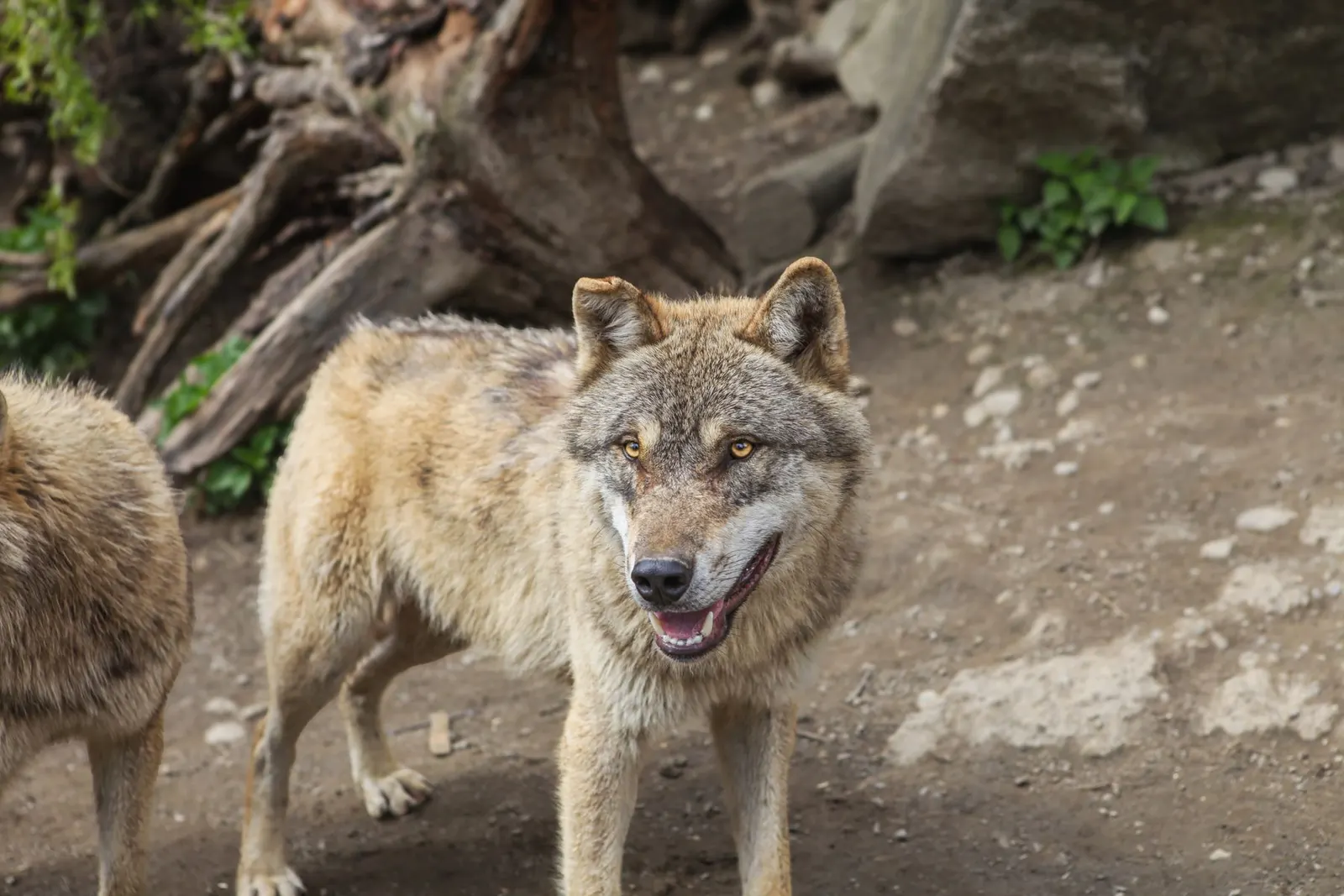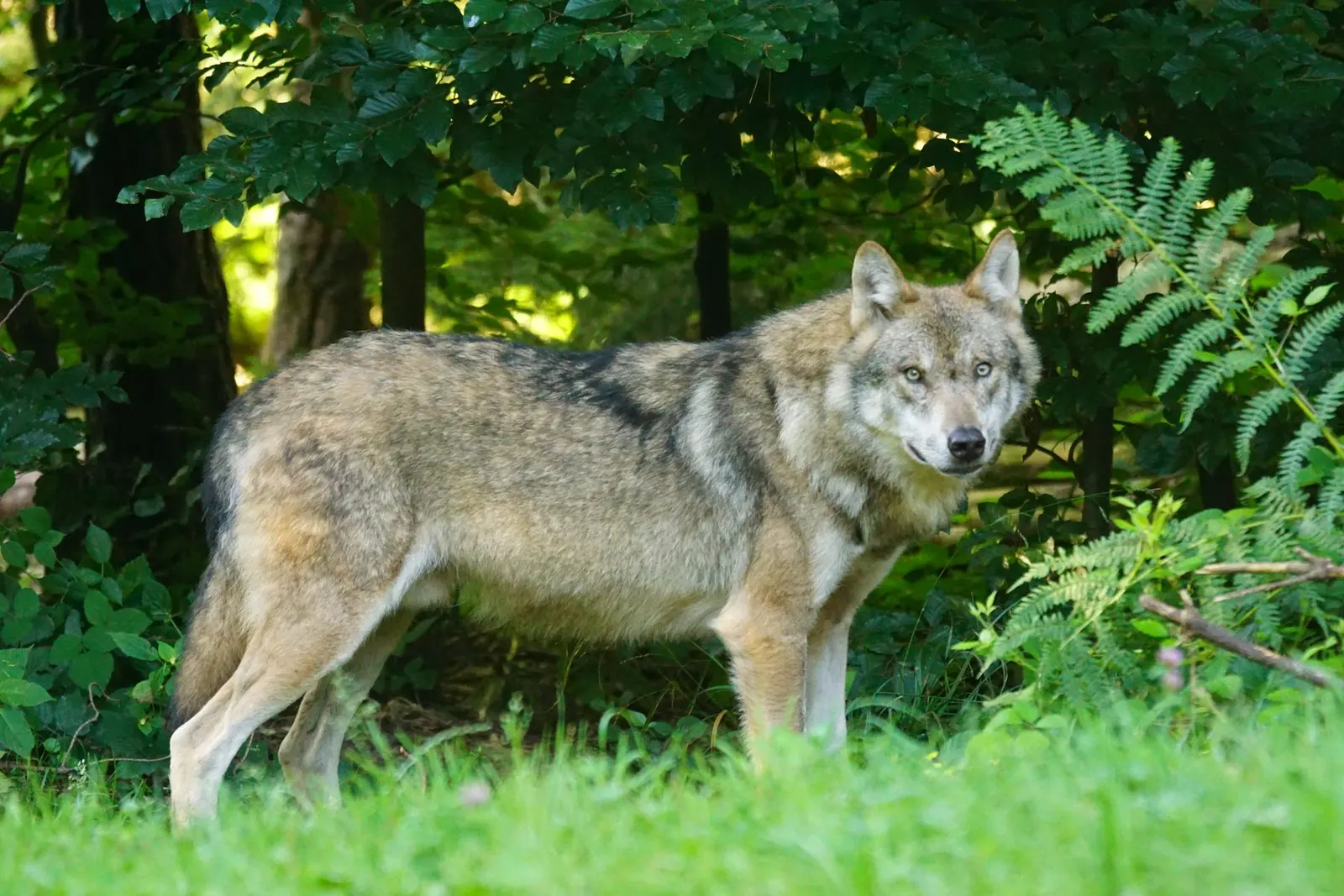
A century ago the wolf was hunted out of most of Western Europe. Then it came back. Protected, patient, and quietly mobile, wolves have recolonised farmland and forest across the continent. This study follows that return, tracking Germany in detail, setting it inside the wider European picture, and asking where the recovery heads next.
From one pair to 184 territories
In 2000, Germany had a single confirmed wolf pair. By the 2022/23 monitoring year the DBBW counted 184 wolf territories, each one an occupied pack or pair rather than a single animal. The solid line below is that recolonisation record. The dashed line is a damped-trend forecast through 2030, and the shaded cone is its 80% uncertainty band.
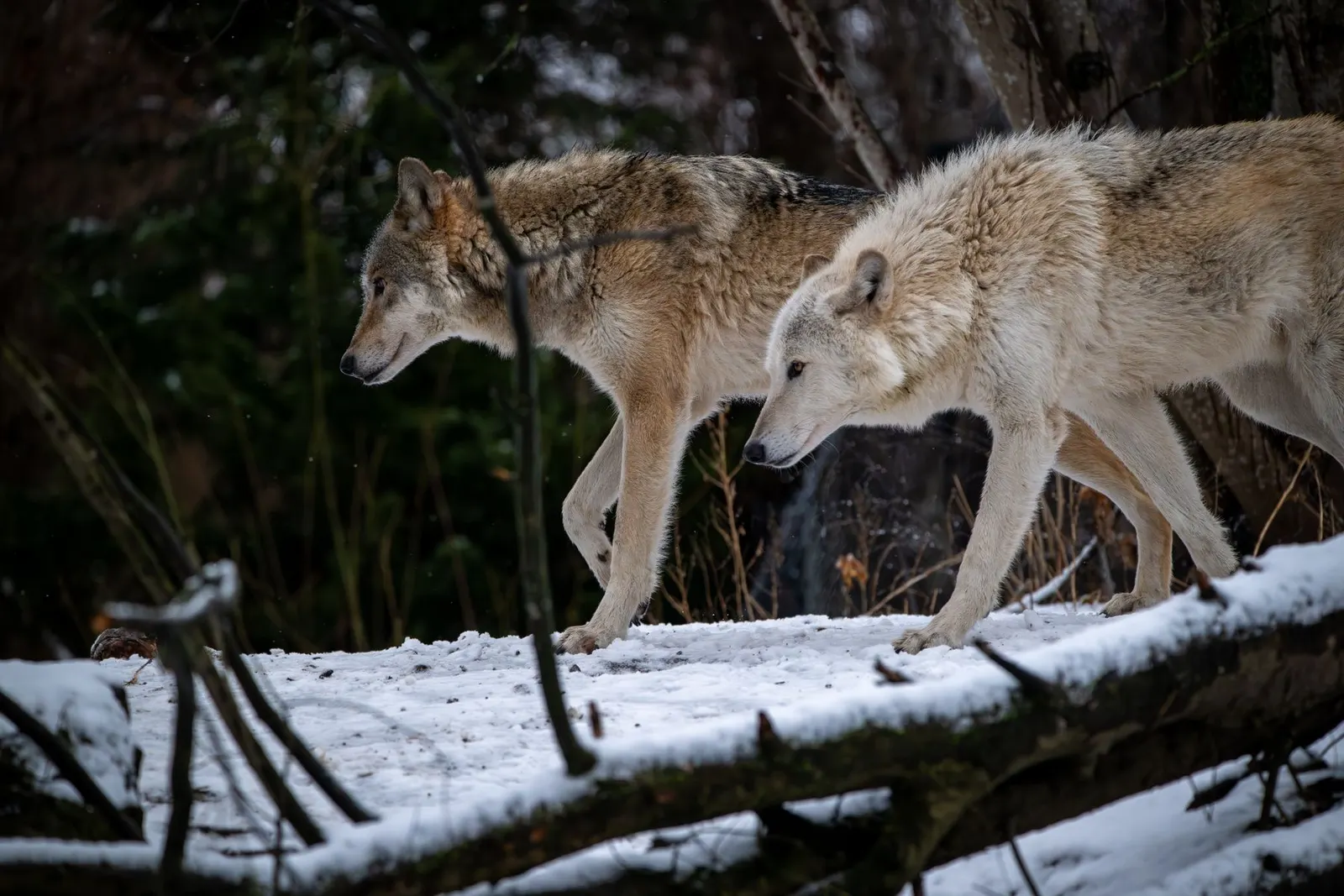
A continent-wide comeback, not just a German one
Germany is one chapter in a larger story. Across Europe, wolf numbers run well into the thousands. Italy holds the largest estimated population at around 3,300, followed by Romania and Spain, with sizeable populations in Poland, Germany, and the Balkans. Added across the countries shown, that is roughly 14,400 wolves. These are estimates, not censuses, so read them as orders of magnitude rather than exact counts.
Recovery, and the harder question of coexistence
Extending Germany’s trend points to roughly 396 territories by 2030, with an 80% band running from about 383 to 409. The damped model expects growth to continue but to ease, since recolonisation slows as suitable habitat fills. Treat it as a baseline trajectory, not a prophecy. It assumes the recovery dynamic of the past two decades broadly holds, and it deliberately does not model culling policy, disease, prey decline, or shifts in legal protection. The honest caveat matters here: every number on this page is a transcribed published estimate, the German counts are DBBW monitoring figures and the European totals are LCIE estimates given as ranges. The arithmetic is the easy part. The real question the wolf now poses is one data alone cannot settle, how a recovering predator and the farms and people it lives among learn to share the same ground.